
Colorful Crotons For Indoors Now and Outside Later

Crotons will brighten a shady patio as well as any interior room. Eye-catching Crotons easily chase away wintertime blues because the warm colors of their variegated leaves intensifies in cooler temperatures and bright sunlight. During winter months keep Crotons out of drafts and fluctuating temperatures to avoid leaf drop, hold back on fertilizer until spring, and remember to only use tepid water. You can begin moving your Crotons outdoors for vacation... Read More

Spiky, Snaky, Sensational Snake Plants

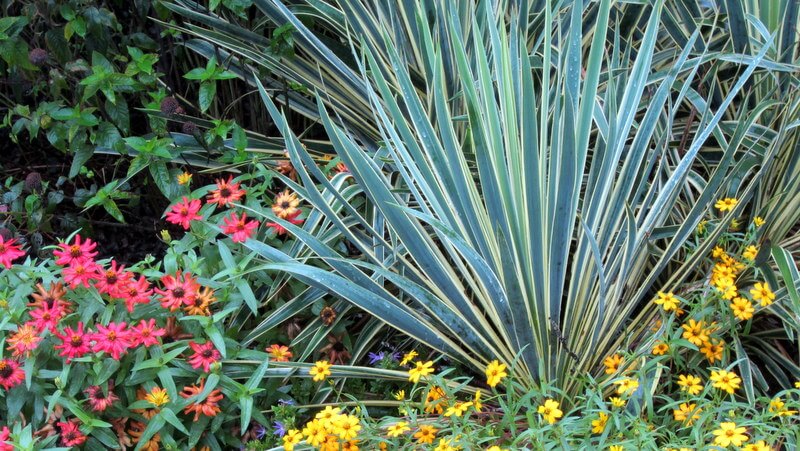
Snake plants look fabulous outdoors, too, but only during the heat of summer. Sansevieria (aka Snake Plants or Mother-in-law’s tongue) are architecturally dramatic houseplants. Native from environs as extreme as the nutrient-competitive jungle floor to arid deserts, this plant definitely doesn’t need pampering. Sansevieria thrive indoors in bright to low light, with minimal watering, so be sure to grow them in a porous potting soil, such as Black... Read More

Spa Treatment for Your Houseplants

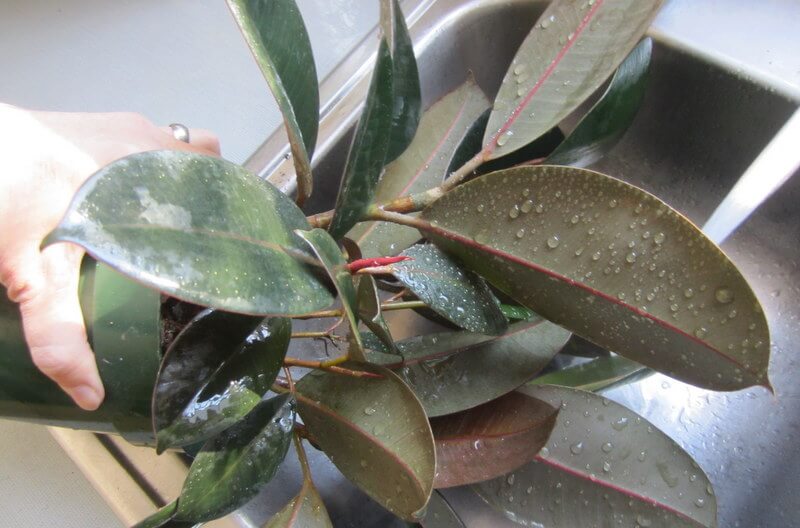
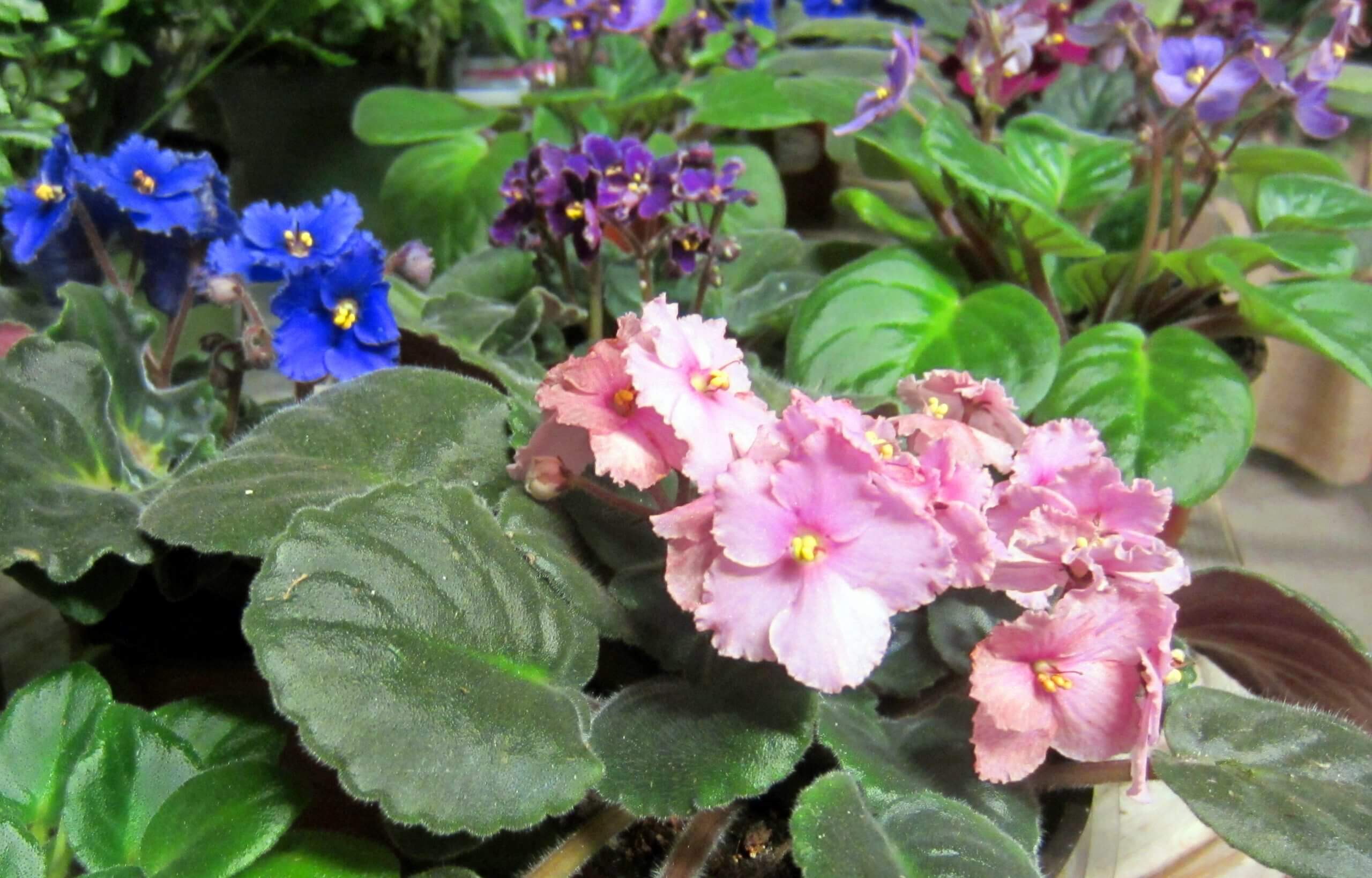
January is the perfect time to wash away dust that may have accumulated on the leaves of your houseplants by giving them a gentle hosing with tepid water in your tub or shower. This refreshing bath is especially beneficial to smooth-leafed houseplants, but not recommended for succulents or hairy-leafed plants such as African Violets.  Read More

Quintessential Camellias

Camellias are indispensable broadleaf evergreens in Southeastern landscapes. Varying in height from 3-foot rounded dwarfs to towering pyramidal trees, their irresistible wintertime blooms are a pleasure to enjoy in situ or indoors in arrangements. A traditional method of displaying cut Camellia flowers is to float the blooms in shallow bowls. Simply remember to refresh the water regularly and keep your arrangement out of direct sunlight in order... Read More