
Fast Draining Soil for Succulents

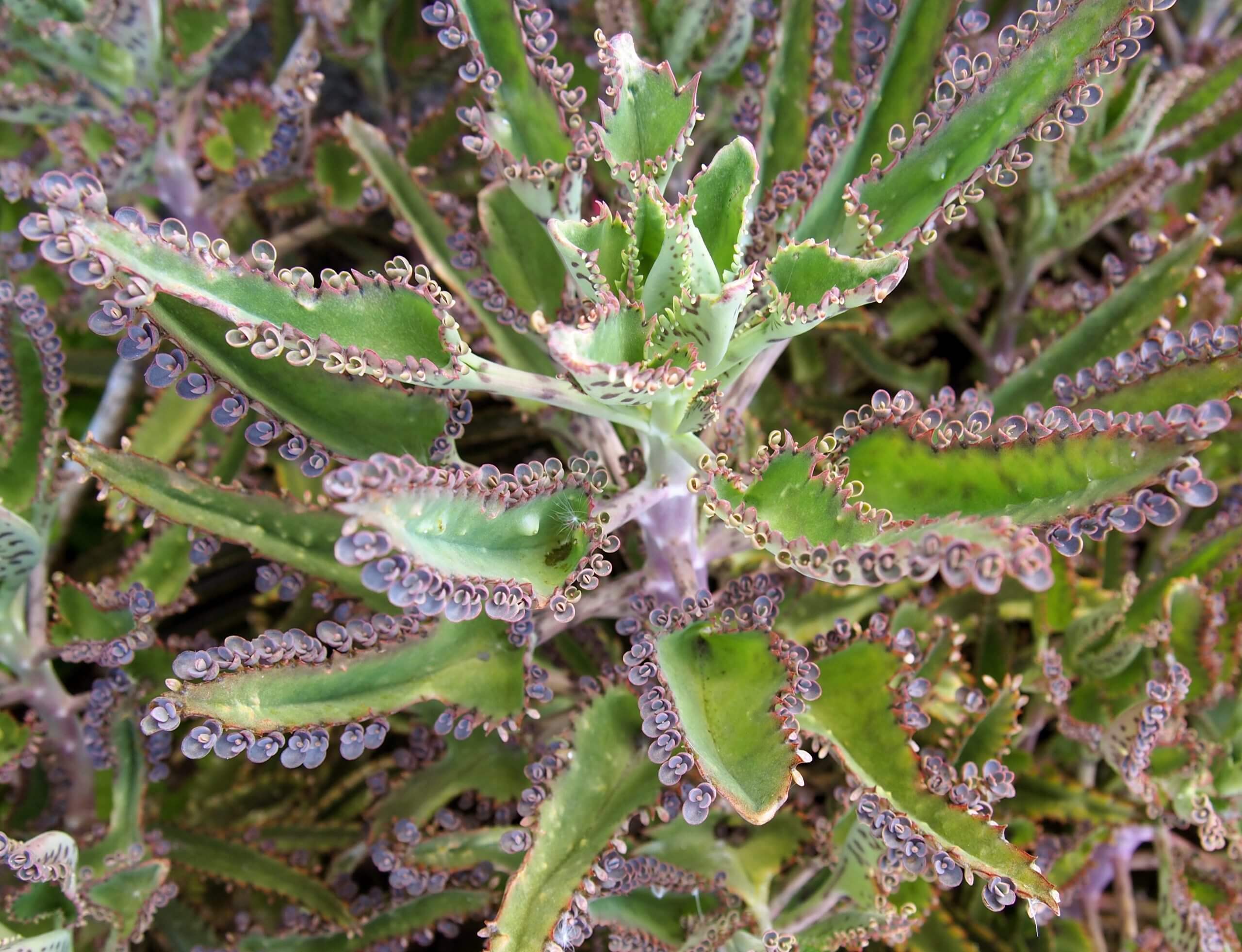
This succulent collection features inspiring examples of plant and pot compositions “Water applied must drain through the soil in fifteen seconds. If it fails to do so, the soil is too dense.” Such advice came to me decades ago from an old school nurseryman who specialized in cacti and succulents. Back then I thought this fifteen second law regarding fast draining soil for succulents was ridiculous. After moving to the desert I learned... Read More

Grow Organic: All or Part

Edible artichokes make outstanding perennials accented with petunias. Call it botanical profiling. It’s gone on since the beginnings of agriculture. Tomatoes, corn and lettuce belong in the organic food garden. Flowers grow in the ornamental garden. The primary reason for such a division is that food growers are all about a clean, edible harvest. Flower growers put the emphasis on an abundance of perfect blooms throughout the season. They often... Read More

Keys to Developing Quality Garden Soil

Whether you’re growing a family food garden or cultivating your favorite roses, the key to developing quality garden soil is always organic matter. This material is vital to plant life whether you are growing all organic, partially so, or using standard horticultural practices. Consider this the panacea to many problems that routinely plague home gardens during the growing season. Read More  Read More

Spotlight On Fancy Leaf Begonias

Escargot: The distinctive spiral pattern in the leaves made 'Escargot' one of the most popular rex begonia varieties. Begonias have always hovered in the shadows. They cluster beneath trees, in slotted shade of lath houses and on sun-deprived exposures. These unique plants, beloved by grandmothers everywhere, fell out of favor in the last few decades. Sure, I used Begonia richmondensis in hanging baskets and little wax begonias were a staple... Read More

Re-Hydrating Potted Plants

Watering potted plants is easy, but getting the whole root ball wet is hard. When you let the root ball dry out it shrinks away from the inner walls of the pot. If you pour on water, it goes straight down this gap and out the drain hole. The best way to rehydrate a plant in peat based potting soils wets the entire root ball, encouraging roots to travel into the center. You can do it on the kitchen counter by filling a shallow container with a few... Read More

Create a Seasonal Green Roof

This isn’t a true green roof but it offers a whole new way to plant succulents for your summer garden. You can turn the roof of any garden shed into a new place to grow succulents. Simply apply a edging on top of the fascia, then spread a layer of thick plastic sheeting on top of the roofing material. Poke small drain holes where you want it to drain. On top of this spread shallow layer (4″ min.) of Black Gold Cactus Mix Potting Soil... Read More

Harvest Mosses for Container Plants

Cool, damp winter temperatures bring mosses out in all their glory. This amazing spore bearing plant often grows on rocks, in shaded tree dells, the north side of a house, and anywhere else it’s wet enough. This moss is perfect for using in glass terrarium containers and as a surface covering for bonsai specimens. To harvest free mosses for container plants from your yard, gently lift it off the surface with your fingers so that it comes up... Read More

Getting The Fruit Back In Fruit Trees

In the hoity toity world of landscape architecture, small flowering trees known as “accents” are often fruit trees bred to enhance the flowers but eliminate the fruit. The Japanese flowering cherry is a famous example in Washington DC. The Bradford pear has become a favorite white accent for urban gardens. But times have changed and my clients are all clamoring to get the fruit back without sacrificing beautiful flowers. Read More  Read More

Soil, Seed and Supplies: Planning Your 2012 Garden

One of the best things about backyard food gardening is that it demands we live by the seasons. Spring is for preparation. Summer demands maintenance. Autumn is the harvest. Most important of all is winter – the time for planning. Just as a landscape architect creates a garden on paper before it’s bid or built, it saves a lot of money and time to use January to plan your own food garden with research, notes and sketches. Do it right and... Read More

Amaryllis After Care

If you have any gorgeous, red amaryllis left over from the holidays, treat it well and it will reward you with blooms again next year. After the current flower fades, cut the stem off at the base but leave any newly forming leaves to remain. The foliage carries on photosynthesis to store energy in the bulb before it goes dormant. Move the potted bulb to new sunny location and keep it adequately watered until the leaves die back naturally. Then remove... Read More

Organic Solution for Spindly Palms

If your palm is not growing vigorously, it may require fertilizer. Just like your lawn, palm trees love nitrogen and certain trace elements. These are all present in Black Gold Palm, Cactus & Tropical fertilizer. Because it’s organic, the nutrients take time to become available to your palm. Fortunately, once available they remain so far longer than synthetic plant food. For those in Florida and other warm climates, help poor-doers indoors... Read More

Teaming With Microbes

With organic gardening, it’s all about soil microbes. What we do to enrich our soils with organic matter and humus helps to feed this population of invisible organisms. Their presence enhances fertility to help plants grow healthier with a stronger root and immune system. To truly understand how important this microbe-plant relationship is to your food garden, read Jeff Lowenfels’ outstanding book: Teaming with Microbes (Timber Press).... Read More

Bulbs Accent Off Season Food Gardens

We rarely blend bulbs with food plants, but they make a great pick-me-up for off season gardens. I found this lovely garden in Germany, where they’d laid out a traditional four square design, but when not planted, this geometry doesn’t show. These smart gardeners elected to plant small bulbs in line to emphasize the design with foliage and flowers before it warms enough to plant the early spring crops. Don’t forget to plant them... Read More

Fine Tune Ferns for Formaldehyde Phytoremediation

Formaldehyde is a problem in some newer homes. The emerging science of phytoremediation uses plants to filter toxins from air and soil. Studies revealed that ferns are a natural for absorbing formaldehyde from the air inside your home. As they transpire, the formaldehyde is taken into the plant with carbon dioxide, then only oxygen is released to filter air naturally. So if you haven’t repotted that old fern, or if you’re on a budget,... Read More

Plant Shoes for Low Cost Holiday Gifts

You can plant succulents in any container that holds soil and drains well. Those little shoes the kids grew out of make charming low cost holiday gifts for friends and family. Simply punch a few holes in the sole with a hammer and large nail. Then fill with Black Gold Cactus Mix and plant with lots of very small, inexpensive succulent seedlings. This idea is great for ladies’ high heels too. This makes for a fun, green family project that recycles... Read More

Dietary Habits of Annuals

Old fashioned annuals like bachelor's button perform far better in rich, organic soils.“Annual, biennial, perennial,” sounds like an incantation from a Harry Potter movie. But it’s gardener lingo that divides up the whole bedding plant world. If you’re new to gardening, these three terms may seem confusing, particularly when they are misused so often. Simply put, all relate to the life span of the plant. While their definitions are straight... Read More

Bio-Solids and Secret Toxins

It’s always scary looking at labels on junk food. They’re rife with unpronounceable chemicals and altered foods such as hydrolyzed oils. These would go unmentioned if the government didn’t require detailed breakdown on exactly what’s used in the creation of edible products. And it’s this analysis that is used to determine whether or not a food product contains substances the USDA has deemed unhealthy for humans. Read... Read More

Fall Perennial Strategies

~by Maureen Gilmer Lily of the Nile produces huge plants that are among the easiest to divide in fall for many new plants for free. Planting a perennial in spring is a lot like moving from Maine to Florida in June. You’d have to adjust to the heat and humidity at the worst time of year. Bring a Maine resident to Florida in November, and that snowbird will relish every day of welcome sunshine. When you plant spring blooming perennials in the... Read More

Leafy Holly for Holiday Clipping

~by Maureen Gilmer After the leaves fall, hollies stand out all over your neighborhood with their bright red fruit. The holly is a locally proven species making it the best choice for planting in your garden too. Hollies prefer well drained acidic soil, so amend your planting soil with Black Gold Peat Moss Plus. If you already have hollies growing in your landscape, use Black Gold Azalea, Camellia and Rhododendron fertilizer because it’s formulated... Read More

Budget Gardeners Buy Indian Corn

~by Maureen Gilmer Indian corn now in the supermarket isn’t just a Thanksgiving decoration. It’s viable seed ready to plant in your garden next year. Select colors and sizes of small popcorn, strawberry flint corn and the big boldly colored ears for decorations. When the holidays are over, simply pry the kernels off the cob and store in a cool dry place. Come planting time, fortify the soil with nitrogen rich Black Gold Blood Meal. This... Read More

Pot Garden Plants for Winter Joy

Autumn brings an end to the summer garden, but you need not say good-bye to everything you planted this year. It’s an age-old practice to pot garden plants of certain varieties to bring indoors where they live on for months, and some may even survive the winter to grow for another year. Read More  Read More

Tending Your Organic Garden

Ever wonder why some people can grow fabulous gardens and others can’t?  The answer is simple: they spend more time with their plants.  Experienced gardeners know that frequent inspection allows them to see the first signs of trouble, whether it’s wilt, broken limbs, a digging dog or caterpillars.  These can be remedied immediately before damage occurs, and without the need for chemicals. Great gardeners do it each day. Sometimes it’s... Read More

Proof of Life: There May Be Mold in Our Soils

Written by Maureen Gilmer If you find white mold in a bag of our potting soil, don’t think it’s spoiled like moldy bread. Consider this white webby material the ultimate proof of life. It is an undeniable sign that our potting soils are perfectly blended to create a bio-active root environment. Even while that bag sat at the garden center, a great deal of activity was going on in our living soils, and the mold proves it. This is a rare... Read More

Bulbs Do Better With Phosphorus at Planting

Phosphorus has long been added when planting bulbs to encourage faster rooting before winter sets in. This nutrient is found in bone meal, a long lasting organic source. When planting, add one tablespoon of Black Gold Bone Meal to the bottom of the planting hole and mix it in with some loose soil. If planting small bulbs like crocus, use just a half tablespoon. Set the bulb down gently into the soft bottom of the hole and cover it up. Read More

Divide Perennials For Free Plants

October is a fine time to dig and divide clumps of perennials that are so old they fail to bloom like they should. Lift the plant with a fork, wash it off to see the stem and root structure, then divide perennials at the natural points with a sharp knife. Soften the soil at the new planting locations with Black Gold Soil Conditioner to make it easier for the divisions to strike new roots for bountiful displays come spring.   Read More

Top Off Your Outdoor-Indoor Potted Plants

If your tender potted plants have been outdoors all summer, watering them with the hose often results in overflow and lost of soil. Now is a great time to add Black Gold Earthworm Castings as a top dressing to improve bioactivity in the pot and cover newly exposed roots. Be sure to leave enough space between soil and pot rim to be able to fill it with a generous amount of water. Read More

Super Organic Leaf Mold

Fall leaves are an important source of organic matter that decomposes into soft, rich leaf mold. To harvest, create a corral using woven wire to contain the leaves. Fill with a foot deep layer of leaves, wet it, then pack down tightly. Sprinkle Black Gold All Purpose Fertilizer on top and dump in any left over potting soil from this year. Repeat layering over and over as leaves fall, adding more fertilizer to speed decomposition and increase your... Read More

Cure Late Season Malaise

~ Written by Maureen Gilmer Soil in raised beds can often become deficient in elements or micronutrients replaced by adding organic fertilizer during the growing season. Eat a doughnut for breakfast and you start the morning on a sugar high.  Then the inevitable follows.   Blood sugar plummets leaving you foggy and sluggish.  If you eat another doughnut to refire your system, you’ll only crash all over again.  But if you eat a balanced... Read More

Wisdom of Planting Trees in the Fall

~Written by Maureen Gilmer. Planting in the fall is counterintuitive. It goes against the grain. We’re hardwired to do our gardening in spring. But there is great wisdom in planting trees in the fall. This gives them all winter and spring to root deeply before the heat and drought of summer tries their stamina. So whether it’s a fruit tree or a shade tree or a beautiful flowering accent, take your time in this beautiful autumn weather... Read More

BLACK GOLD® Waterhold Cocoblend Potting Soil

Waterhold Cocoblend Potting Soil is the sustainable solution for container gardens in arid climates or wherever water is in short supply.  Its unique moisture retention ability means you water less often, and conserve more of it throughout the season.  If you’ve had difficulties keeping your vegetables hydrated during the hot summer months, don’t give up on growing your own food.  Give it another try with this potting soil carefully... Read More

BLACK GOLD® Natural & Organic Potting Soil

~Written by Maureen Gilmer Black Gold Natural & Organic potting soil is so versatile it works for everything from hanging baskets to raised vegetable beds. This is not just any soil, it’s a precise blend of everything your plants need to look their best and produce abundantly. Because it’s listed by the Organic Materials Review Institute, you can be sure your organic food crops grown in this enriched soil remain blessedly chemical... Read More

The Dogma of Drainage

~Written by Maureen Gilmer. Ten years ago I digressed into a netherworld of horticulture that is secretive, dogmatic, painful and unforgiving. Call it Cultus Succulentata, an unofficial group as unconventional as the plants we cultivate. What binds us all is plants that contain a unique type of plant cell that absorbs water quickly and holds it far longer than any other. They are what makes a plant a succulent. But I’m hooked on one division... Read More

How to Create an Organic Garden with Black Gold

Written by Maureen Gilmer Creating an organic garden is the same as creating any other kind of garden except for one thing: you must feed the soil. The ground below your feet is not just dirt but a whole living breathing universe unto itself. Within those mineral particles is a population of microscopic bacteria, fungi, molds, yeasts, protozoa and algae. They are collectively known as microbes, which feed on the remnants of dead plants known... Read More

Tilling Your Organic Garden

Written by Maureen Gilmer If you don’t have a spading fork, now is the time to buy one. This unique tool looks like a pitch fork, but the tines are straight and much thicker. For anyone serious about an organic garden by hand, this is your most important purchase. Do not scrimp on quality because a good fork will last for decades. The spading fork turns soil more easily because the tines make clods break up automatically compared to... Read More

Privileged to Grow a Row

~Written by Maureen GilmerHow many times have you passed on a gift of zucchini or fresh tomatoes because you already have dozens ripening at home? We gardeners easily become complacent when we can grow extraordinary produce every summer with enough left over to can or dry or freeze – that is if we want to. And if we don’t want to, most of us would hate to admit how much edible produce lands in the compost heap. Every summer gardeners... Read More

BLACK GOLD® Natural & Organic Potting Soil

Black Gold Natural & Organic potting soil is so versatile it works for everything from hanging baskets to raised vegetable beds. This is not just any soil, it’s a precise blend of everything your plants need to look their best and produce abundantly. Because it’s listed by the Organic Materials Review Institute, you can be sure your organic food crops grown in this enriched soil remain blessedly chemical free. The scientists at... Read More

Raised Beds In Dry Country

Written by Maureen GilmerA large hole filed with Waterhold Cocoblend Potting Soil and newly planted pepper.The same pepper weeks later with mulch and windbreak.My desert garden is the worst case scenario, and I like it that way. When I test plants and products for gardens, they go through the wringer…literally. I want to know how far I can push things before they fail.   When the dry wind blows up here in the high... Read More